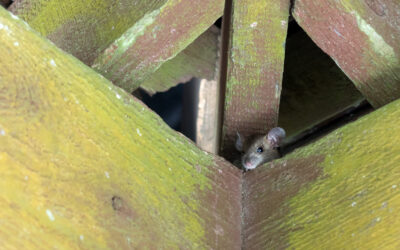
Rodents are not just a property nuisance. They are a documented public health threat. The CDC lists more than 35 diseases that rodents can transmit to humans through direct contact, contaminated surfaces, droppings, urine, saliva, and the parasites they carry.
These diseases range from foodborne illnesses like salmonella to life-threatening conditions like hantavirus pulmonary syndrome, which has a fatality rate of 30 to 40 percent even with medical care. The National Pest Management Association estimates that approximately 21 million U.S. homes are invaded by rodents each winter, and many of those homeowners don’t fully understand the health risks they’re living with until symptoms appear.
We want families across Reno, Sparks, Truckee, Carson City, and Northern Nevada to understand exactly what’s at stake when mice or rats move into your home, because knowing the risks is the first step toward protecting the people you care about.
Summary
- Rodents transmit more than 35 diseases to humans through droppings, urine, saliva, bites, contaminated food, and parasites like fleas and ticks.
- Hantavirus pulmonary syndrome, carried primarily by deer mice common in Northern Nevada, has a fatality rate of 30 to 40 percent and spreads when people inhale dust particles from infected droppings or nesting material.
- A single mouse produces up to 70 droppings per day, meaning contamination accumulates rapidly and spreads across every surface mice travel.
- Safe cleanup of rodent contamination requires specific protocols including ventilation, disinfection, and protective equipment. Sweeping or vacuuming droppings without proper precautions can actually increase your exposure risk.
Diseases Transmitted Through Droppings and Urine
The most common way rodents make people sick isn’t through bites. It’s through the waste they leave behind on every surface they touch. Mice and rats urinate continuously as they travel, leaving invisible trails of urine along baseboards, countertops, pantry shelves, and any surface they cross. Combined with droppings, this contamination creates multiple pathways for disease transmission.
The Primary Threats
Hantavirus Pulmonary Syndrome (HPS) is the most serious rodent-borne disease risk in Northern Nevada. The virus is carried primarily by deer mice, which are common throughout our region. People become infected when they inhale airborne particles from dried droppings, urine, or nesting material, often during cleanup activities like sweeping a garage, opening a stored box, or disturbing insulation in an attic. Since 1993, the United States has recorded more than 850 confirmed cases of HPS, with a fatality rate between 30 and 40 percent. There is no specific treatment, cure, or vaccine for hantavirus. Symptoms typically appear 1 to 5 weeks after exposure, beginning with fever, muscle aches, and fatigue before progressing to severe respiratory distress.
Salmonella spreads when rodents contaminate food preparation surfaces, stored food, or utensils with their droppings or urine. Salmonella bacteria can survive for days to weeks on dry surfaces and even longer in moist environments, meaning contamination persists long after the mouse has moved on. The CDC estimates that salmonella causes approximately 1.35 million infections in the United States each year, and rodent contamination is a recognized transmission pathway.
Leptospirosis is a bacterial infection spread through contact with water or surfaces contaminated by rodent urine. The bacteria can survive for weeks to months in moist environments, making areas like basements, crawl spaces, and garages particularly risky. Untreated severe leptospirosis has a fatality rate of up to 10 percent.
Key Takeaways
- Hantavirus is the most dangerous rodent-borne disease in Northern Nevada, with a 30 to 40 percent fatality rate and no available vaccine or cure.
- Contamination from droppings and urine accumulates on every surface mice travel, creating invisible health hazards across your home.
- Diseases like salmonella and leptospirosis spread through contaminated surfaces and can persist in your environment for days to months after the rodent has passed through.
Diseases Spread Through Bites and Direct Contact
While less common than contamination-based transmission, direct contact with rodents or their bites presents its own set of serious health risks.
Infections From Bites and Handling
Rat-bite fever is a bacterial infection transmitted through bites, scratches, or contact with a dead rodent. It can also spread through consuming food or water contaminated with rat feces. Symptoms include fever, vomiting, muscle pain, joint swelling, and rash. Untreated rat-bite fever has a fatality rate of approximately 7 to 10 percent, making prompt medical attention essential after any rodent bite.
Lymphocytic choriomeningitis (LCM) is a viral infection carried by approximately 5 percent of house mice in the United States. The virus spreads through exposure to fresh droppings, urine, saliva, or nesting materials from infected mice. Most infections are mild, but severe cases can cause meningitis or encephalitis. LCM is particularly dangerous for pregnant women, as the virus can cross the placental barrier and cause serious birth defects or miscarriage.
Plague still occurs in the western United States, with an average of about 7 cases reported per year between 2013 and 2023 according to CDC surveillance data. While the disease is treatable with antibiotics when caught early, it remains potentially fatal if untreated. Nevada and neighboring states fall within the geographic range where plague-carrying rodents are found.
Key Takeaways
- Rat-bite fever from rodent bites or scratches has a 7 to 10 percent untreated fatality rate and requires prompt medical attention.
- About 5 percent of U.S. house mice carry LCMV, which poses particular risks to pregnant women and can cause meningitis in severe cases.
- Plague still averages roughly 7 U.S. cases annually, with the western states including Nevada within the active geographic range.
Health Risks From Parasites Rodents Carry
Rodents don’t just bring diseases directly. They also transport parasites into your home that create secondary health problems for your family and pets.
The Hitchhikers on Every Mouse and Rat
Fleas are one of the most common parasites carried by rodents. Once inside your home, fleas can jump from rodents to pets and humans, establishing infestations in carpets, bedding, and upholstered furniture. Flea bites cause itching and allergic reactions, and fleas can also transmit diseases including murine typhus and, historically, plague.
Ticks carried by rodents can transmit Lyme disease, Rocky Mountain spotted fever, and several other tick-borne illnesses. Rodents are a primary host for immature ticks, and when those rodents move through your home, they deposit ticks in areas where your family and pets spend time.
Mites from rodents can cause dermatitis and persistent itching in humans. Rodent mites are often one of the first signs homeowners notice after an infestation, because the mites begin biting humans when their rodent hosts are removed or die within the walls.
A rodent infestation is rarely just a rodent problem. The parasites they introduce can persist in your home even after the mice or rats themselves are gone, requiring separate treatment to fully resolve.
Key Takeaways
- Rodents carry fleas, ticks, and mites into your home, each capable of transmitting additional diseases or causing allergic reactions.
- Parasites can persist and continue biting after the rodents are removed, requiring separate treatment.
- Flea and tick infestations brought by rodents create health risks for both your family and your pets.
Allergens and Indoor Air Quality
Beyond infectious disease, rodents significantly degrade your home’s indoor air quality in ways that affect respiratory health, especially for children and people with asthma or allergies.
The Invisible Respiratory Threat
A single mouse produces approximately 70 droppings per day, which adds up to roughly 25,000 fecal pellets per year. As those droppings dry and disintegrate, microscopic particles become airborne and circulate through your HVAC system, settling on surfaces throughout your home.
Research has consistently identified mouse allergen as a significant trigger for asthma symptoms, particularly in children. A landmark study published in the Journal of Allergy and Clinical Immunology found that mouse allergen was detected in 82 percent of U.S. homes tested, with the highest concentrations found in kitchens. For children with mouse-sensitized asthma, exposure to these allergens causes increased symptoms, more frequent asthma attacks, and higher rates of emergency room visits.
The contamination is cumulative. The longer rodents remain in your home, the more droppings, urine, and dander accumulate in your ductwork, insulation, and living spaces. Even after the rodents are removed, the allergens they left behind can continue to trigger respiratory symptoms for months unless thorough cleaning is performed.
Key Takeaways
- A single mouse produces roughly 25,000 droppings per year, and the microscopic particles circulate through your home’s air.
- Mouse allergen has been detected in 82 percent of U.S. homes and is a significant asthma trigger, particularly for children.
- Rodent allergens persist in ductwork, insulation, and surfaces long after the infestation is resolved, requiring thorough cleanup.
How to Clean Up Rodent Contamination Safely
If you have or have had rodents in your home, safe cleanup is critical. Improper cleanup methods, particularly sweeping or vacuuming droppings, can actually increase your exposure by launching infectious particles into the air where you inhale them. The CDC provides specific guidelines for safe rodent cleanup that every homeowner should follow.
The Safe Cleanup Protocol
- Ventilate the area first. Open doors and windows and allow fresh air to circulate for at least 30 minutes before you begin cleaning. Leave the space during this time.
- Wear protective equipment. Use rubber or latex gloves at minimum. In enclosed spaces like attics, crawl spaces, or storage areas, wear an N95 respirator to protect against inhaling airborne particles.
- Never sweep or vacuum droppings. This launches dried particles into the air. Instead, spray droppings and contaminated surfaces with a disinfectant solution (one part bleach to ten parts water for heavy contamination) and let it soak for at least 5 to 10 minutes.
- Wipe up with paper towels. After soaking, remove droppings and contaminated material with paper towels and dispose of them in a sealed plastic bag.
- Disinfect all surrounding surfaces. Mop floors and wipe down counters, shelves, and any surface rodents may have traveled across.
- Wash your hands thoroughly after removing gloves, even if you didn’t touch contaminated material directly.
If you’re dealing with heavy contamination, particularly in an enclosed space like an attic or crawl space, we strongly recommend having a professional handle the cleanup. The risk of hantavirus exposure is highest in exactly these situations, where dried droppings have accumulated in poorly ventilated spaces.
Key Takeaways
- Never sweep or vacuum rodent droppings. Spray with disinfectant first and wipe up with paper towels to avoid launching infectious particles into the air.
- The CDC recommends at least 30 minutes of ventilation before entering a contaminated space and wearing protective equipment including gloves and an N95 respirator.
- Heavy contamination in enclosed spaces like attics and crawl spaces should be handled by a professional due to elevated hantavirus risk.
Protect Your Family by Addressing the Source
The health risks from rodents are real, documented, and preventable. Every day that mice or rats remain in your home, the contamination grows, the allergen levels rise, and the exposure risk increases for everyone living there. The most effective way to protect your family’s health is to eliminate the infestation and seal the entry points that allowed rodents in.
At Right Away Pest Solutions, we combine thorough trapping, professional-grade exclusion, and practical sanitation guidance to solve rodent problems completely for families across Reno, Sparks, Truckee, Carson City, and the surrounding Northern Nevada communities. We’ve been protecting homes in our area for over 20 years, and we understand the specific rodent pressures that come with living in Northern Nevada’s high desert climate. We offer free rodent inspections with no obligation, no contracts, and a satisfaction guarantee.
Call us at (775) 722-7708 to schedule your free inspection. Learn more about our rodent control and exclusion services and take the first step toward a healthier home.