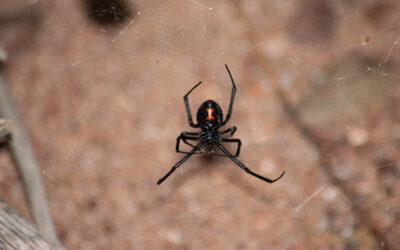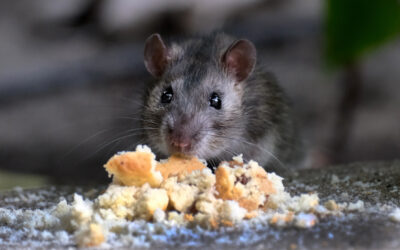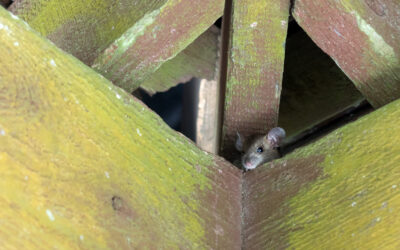
Yes, pest infestations can absolutely shut down a business. Health departments have the authority to issue immediate closure orders when pest activity poses a threat to public health, and restaurants, hotels, and food establishments are shut down for pest violations every single day.
A study by Rentokil Initial and the Centre for Economics and Business Research found that pest infestations cost U.S. businesses $6.8 billion in operating costs and $13.2 billion in lost revenue in a single year.
We work with commercial clients across Reno, Sparks, Truckee, Carson City, and Northern Nevada, and we’ve seen how quickly a pest problem can escalate into a business-threatening crisis.
Summary
- Health departments can and do issue immediate closure orders for pest infestations, particularly in food service and hospitality.
- Pest infestations cost U.S. businesses $6.8 billion in operating costs and $13.2 billion in lost revenue annually, according to the Centre for Economics and Business Research.
- Research analyzed by Clemson University found that 87% of diners who encountered pests would not return to or recommend the establishment.
- Prevention through regular commercial pest management costs a fraction of a single closure, failed inspection, or viral negative review.
How Health Departments Force Businesses to Close
When a health inspector finds evidence of active pest infestation, the consequences can be immediate. Pest activity is treated as a critical violation in virtually every health code jurisdiction in the country.
What Triggers a Closure Order
Inspectors look for live or dead cockroaches, rodent droppings, gnaw marks on food packaging, grease marks along walls, and evidence of nesting. A single live cockroach in a food preparation area is enough to trigger a critical violation, and multiple critical violations can result in immediate closure.
In Nevada, the Washoe County Health District can issue immediate closure orders when conditions present an imminent health hazard. Businesses remain closed until they pass reinspection. Fines for repeated or severe violations range from $500 to $10,000.
Key Takeaways
- Health inspectors can order immediate closure when pest activity poses a public health risk.
- A single cockroach in a food preparation area can constitute a critical violation.
- Businesses must pass reinspection before reopening, which can mean days or weeks of lost revenue.
The Financial Damage Goes Far Beyond the Closure Itself
A forced closure is the most visible consequence, but it’s rarely the most expensive. The real financial damage comes from the cascade that follows, including lost revenue, emergency remediation, product disposal, fines, and the long-term loss of customers who never come back.
The Numbers Behind the Damage
The Rentokil Initial and Cebr study found that 90% of U.S. businesses experienced at least one pest infestation over a five-year period, averaging 2.8 infestations per business. Among those affected, 25% reported increased maintenance costs, and 10% to 18% reported replacing damaged equipment or finished goods.
66% of business decision makers cited fines and compensation claims as a major concern, and 65% identified reputation loss as their top worry. For food service businesses in Northern Nevada, a single closure can mean thousands in lost daily revenue, spoiled inventory, and emergency treatment costs that dwarf what preventive service would have cost.
Key Takeaways
- 90% of U.S. businesses experienced at least one pest infestation over five years, averaging one every 20 months.
- Costs include remediation, product replacement, fines, lost revenue, staff turnover, and long-term customer loss.
Reputation Damage That Outlasts the Infestation
A single pest sighting by a customer can inflict damage that lasts far longer than the infestation itself. Research analyzed by Clemson University’s John C. Crotts reviewed over 3.2 million blog postings about U.S. restaurants and hotels and found that 87% of diners who encountered pests would not return to or recommend the establishment, regardless of food, service, or surroundings.
Why Online Visibility Makes It Worse
Health department closures are public record, and inspection violations are published online. A single negative review mentioning cockroaches or rodents can outweigh dozens of positive reviews. These posts use emotionally charged language that ranks highly in search results, staying visible for months or years. In competitive markets like Reno and Sparks, that reputational damage can permanently redirect customers to competitors.
Key Takeaways
- 87% of customers who encounter pests will not return to or recommend the business, regardless of food or service quality.
- Health department closures are public record, and pest-related negative reviews remain visible in search results for months or years.
Which Businesses Face the Highest Risk
Certain industries face significantly higher regulatory scrutiny when pests are found. Restaurants and food service face the highest risk because health departments inspect them routinely and pest activity in preparation areas triggers severe enforcement. Hotels are uniquely vulnerable to bed bug infestations that force rooms out of service and generate immediate negative reviews. Healthcare facilities face action from multiple agencies when pests are found in patient care areas. Warehouses risk product contamination, recalls, and lost contracts.
Key Takeaways
- Restaurants face the highest closure risk because of routine inspections and strict health code enforcement.
- Hotels, healthcare, and warehousing each face industry-specific consequences that can result in significant financial loss.
How to Protect Your Business Before Problems Start
The most effective and least expensive approach to commercial pest management is prevention. Every dollar spent on proactive pest management saves multiples of that amount in avoided closures, lost revenue, remediation costs, and reputational damage.
What a Prevention Program Looks Like
Schedule regular professional inspections. Monthly service is standard for food service. Quarterly inspections protect most other commercial properties.
Seal entry points. Mice enter through gaps the size of a dime. Exclusion work identifies and seals every opening pests use to get inside.
Manage waste and sanitation. Sealed dumpsters away from entrances, clean grease traps, and proper food storage eliminate attractants.
Train your staff. Employees who recognize droppings, gnaw marks, and shed skins become your most effective early warning system.
Key Takeaways
- Monthly inspections are standard for food service. Quarterly service protects most other commercial properties.
- Staff training and proactive management cost a fraction of a single closure or failed inspection.
Protect Your Business Before It Becomes a Crisis
The businesses that avoid these consequences are the ones that invest in prevention before the first cockroach appears or the first mouse drops evidence on a stockroom shelf.
At Right Away Pest Solutions, we provide commercial pest management for businesses across Reno, Sparks, Truckee, Carson City, and Northern Nevada. We’ve spent over 20 years helping restaurants, hotels, warehouses, and offices maintain pest-free environments that pass inspections and protect reputations. We offer free commercial inspections with no obligation, no contracts, and a satisfaction guarantee.
Call us at (775) 722-7708 to schedule your free commercial pest inspection. The cost of prevention is always less than the cost of a crisis.