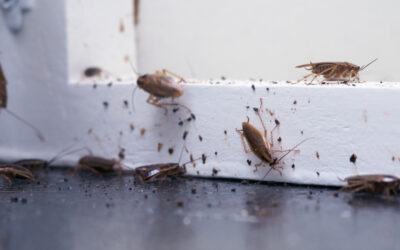
Bed bugs get into your home by hitchhiking on luggage, clothing, used furniture, and personal belongings after you’ve been in contact with an infested environment.
Bed bugs cannot fly or jump — they spread exclusively through human activity, crawling into the seams of suitcases, the folds of clothing, and the joints of furniture, then riding along undetected until they find a new host to feed on.
According to 2026 travel industry data, 1 in 7 U.S. travelers reported encountering bed bugs in the past year, and 20% of those sightings occurred in five-star hotels — proving that bed bug infestations have nothing to do with cleanliness or price point.
We help homeowners across Reno, Sparks, Truckee, Carson City, and Northern Nevada deal with bed bug problems, and the first question we almost always hear is “where did they come from?” This guide answers that question and shows you how to reduce the risk of bringing them home.
Summary
- Bed bugs spread through human movement, not through dirt, animals, or outdoor environments — they hitchhike on luggage, clothing, furniture, and personal items from infested locations.
- Hotels and motels are the most well-known source, but apartments, public transportation, offices, movie theaters, and used furniture are equally common pathways for bed bugs to reach your home.
- Up to 80% of hotels have dealt with a bed bug issue within a given year, and pest control professionals report that summer is peak season for bed bug complaints due to increased travel activity.
- Bed bugs are attracted to carbon dioxide and body heat — not mess — which is why they infest clean and dirty environments equally.
Travel Is the Number One Source
Hotels, motels, vacation rentals, and any accommodation where different people sleep in the same bed on a rotating basis are the most common places where bed bugs are picked up and transported to new locations. The CDC states directly that most people do not realize they are transporting bed bugs as they travel.
How It Happens
When you check into a hotel room, bed bugs that are already present in the mattress, headboard, or furniture may crawl into your luggage, clothing, or personal bags during your stay. They’re most active at night while you sleep, but during the day they hide in mattress seams, behind headboards, inside nightstand drawers, and in the cracks of wooden bed frames — all within a few feet of the bed.
You don’t need to stay in a budget motel for this to happen. A 2026 industry report found that 20% of bed bug sightings by U.S. travelers occurred in five-star hotels. Bed bugs don’t discriminate based on how much you’re paying per night. They follow people, not price tags. Up to 80% of hotels have dealt with bed bugs at some point, and 70% of pest control professionals reported treating bed bugs in hotels and motels.
Reno’s tourism, gaming, and events industry creates a constant flow of visitors through the region, which keeps bed bug risk elevated locally. Hotels, casinos, convention venues, and short-term vacation rentals all see high guest turnover — the exact condition that allows bed bugs to spread from one traveler to the next.
Key Takeaways
- Hotels and travel accommodations are the most common source of bed bug introductions, regardless of the property’s star rating or cleanliness standards.
- Bed bugs crawl into luggage and clothing while you sleep and travel home with you undetected.
- Reno’s tourism and hospitality industry creates locally elevated bed bug risk due to the high volume of visitors cycling through the region.
Used Furniture and Secondhand Items
After travel, used furniture is the second most common way bed bugs enter homes. Mattresses, box springs, couches, upholstered chairs, bed frames, dressers, and nightstands can all harbor bed bugs — and if you bring an infested item into your home, you’ve just introduced a breeding population directly into your living space.
The Hidden Risk of Secondhand Purchases
Bed bugs hide in furniture joints, screw holes, fabric seams, and the underside of upholstered cushions, making them nearly impossible to detect with a casual visual inspection. A couch that looks perfectly clean on the surface can have dozens of bed bugs tucked into the frame, along with eggs and shed skins that confirm an active population.
Curbside furniture is the highest-risk category. There’s often a reason a mattress or couch is sitting on the curb, and bed bugs are one of the most common ones. The University of Kentucky’s entomology department identifies secondhand beds and furniture as one of the primary ways bed bugs are transported into buildings, alongside luggage and personal belongings.
Even retail furniture can occasionally carry bed bugs if delivery trucks are shared between pickups and deliveries, or if items were stored in a warehouse with existing pest activity. Thrift stores, consignment shops, and online marketplace purchases all carry varying levels of risk.
Here’s a practical rule: never bring upholstered furniture into your home without inspecting it thoroughly first. Check every seam, every joint, every crevice, and the underside of the item. Look for live bugs (small, flat, reddish-brown, about the size of an apple seed), dark fecal spots, shed skins, and tiny white eggs. If you can’t inspect it confidently, don’t bring it inside.
Key Takeaways
- Used furniture — especially mattresses, couches, and upholstered items — is the second most common source of bed bug introductions after travel.
- Bed bugs hide in joints, seams, and crevices that aren’t visible during a casual inspection, making thorough examination essential before bringing any secondhand item into your home.
- Curbside furniture carries the highest risk and should generally be avoided.
Apartments, Shared Housing, and Multi-Unit Buildings
If you live in an apartment, condo, townhome, or any multi-unit building, bed bugs can enter your unit from a neighboring unit without you ever traveling or bringing in used furniture. Bed bugs travel through wall voids, along plumbing and electrical chases, and through gaps in shared walls, spreading from one infested unit to adjacent ones over time.
Why Multi-Unit Housing Is High Risk
The NPMA reports that 89% of pest control professionals have treated bed bug infestations in apartment complexes, making apartments the second most common bed bug location behind single-family homes (91%). About 28% of all bed bug infestations in the United States occur in apartment buildings, and the interconnected nature of these structures allows a single infested unit to spread to multiple neighbors.
This is particularly relevant for residents of apartment communities in Reno, Sparks, and the surrounding Northern Nevada area, where rental housing density is significant. If a neighbor in your building has bed bugs, your unit is at risk even if you’ve never traveled, never bought used furniture, and keep your home immaculate. The bugs simply migrate through the building in search of new hosts.
In multi-unit buildings, effective bed bug management typically requires coordinated treatment of the infested unit and all adjacent units simultaneously. Treating a single apartment while neighboring units remain infested is like mopping one tile on a wet floor — the problem flows right back.
Key Takeaways
- Bed bugs can enter your apartment from neighboring units through wall voids, plumbing chases, and shared infrastructure — no travel or used furniture required.
- 89% of pest professionals have treated bed bugs in apartment complexes, and about 28% of all U.S. infestations occur in multi-unit housing.
- Effective treatment in apartments requires coordinated action across affected and adjacent units simultaneously.
Public Spaces and Everyday Exposure
Beyond hotels, furniture, and apartment buildings, bed bugs can be picked up from a surprisingly wide range of everyday environments. Any place where people sit, rest, or store personal belongings for extended periods can potentially harbor bed bugs.
Places You Might Not Expect
Bed bugs have been found in:
- Public transportation — buses, trains, subway seats, and ride-share vehicles where fabric seating provides hiding spots
- Movie theaters — upholstered seats in dark environments are ideal for bed bugs, and high patron turnover increases risk
- Office furniture — desk chairs, break room couches, and shared workspaces can harbor bed bugs transported from an employee’s infested home
- Schools and daycare centers — backpacks, coats stored in shared cubbies, and nap-time mats can all facilitate transfer
- Laundromats — shared folding surfaces and laundry baskets can move bed bugs between households
- Healthcare facilities — waiting room seating, hospital beds, and assisted living furniture are all documented bed bug environments
The common thread is human presence, not filth. Bed bugs are attracted to the carbon dioxide we exhale and the body heat we produce while sitting or sleeping. They don’t feed on crumbs, garbage, or organic waste — they feed exclusively on blood. This is why cleanliness has no bearing on whether bed bugs establish themselves in a given location.
Bed bugs are also three times more prevalent in urban areas than rural ones, according to research data, largely because higher population density and closer living quarters accelerate their spread. While Northern Nevada is less dense than major metropolitan areas, Reno’s steady tourism traffic and the region’s growing population keep the risk meaningful.
Key Takeaways
- Bed bugs can be encountered in public transportation, movie theaters, offices, schools, laundromats, and healthcare facilities — anywhere people sit or rest.
- They’re attracted to carbon dioxide and body heat, not dirt, which is why clean environments are just as susceptible as messy ones.
- Urban areas have three times higher bed bug prevalence than rural ones, driven by population density and human movement.
How to Reduce Your Risk of Bringing Bed Bugs Home
You can’t eliminate all risk of bed bug exposure, but a few simple habits dramatically reduce the likelihood of bringing them home. The key is treating every transition — from a hotel back to your car, from a thrift store to your house, from a trip to your bedroom — as a potential transfer point.
Practical Prevention Habits
- Inspect hotel rooms before unpacking. Check the mattress seams, behind the headboard, inside nightstand drawers, and along the bed frame with a flashlight. Place your luggage on the bathroom tile or a luggage rack — never on the bed or carpeted floor.
- Use hard-shell luggage when possible. Bed bugs have a harder time hiding in smooth, rigid surfaces compared to fabric bags with folds and seams.
- Launder travel clothing immediately. When you return home, put all clothing from your trip directly into the dryer on high heat for at least 30 minutes. Heat above 120 degrees Fahrenheit kills bed bugs at all life stages, including eggs, and the dryer is the most reliable tool available to homeowners.
- Inspect used furniture before bringing it inside. Check every seam, joint, screw hole, and underside. If you can’t inspect it thoroughly, don’t bring it in.
- Avoid curbside furniture entirely. The risk is simply too high relative to the savings.
- Be aware in shared spaces. If you spend time in waiting rooms, on public transit, or in movie theaters regularly, a quick visual check of your clothing and bags when you get home costs nothing and catches hitchhikers before they establish themselves.
- Know the early signs. Small red bites in clusters, dark fecal spots on sheets, and shed skins near the mattress are the earliest indicators. Catching an introduction in the first week or two makes treatment far simpler and less expensive.
Key Takeaways
- Inspecting hotel rooms, laundering travel clothing on high heat immediately, and avoiding curbside furniture are the three highest-impact prevention habits.
- Heat above 120 degrees Fahrenheit kills bed bugs at every life stage — the home dryer is your most effective tool after travel.
- Early detection is critical because a small introduction is far easier and cheaper to treat than an established infestation.
What to Do If Bed Bugs Follow You Home
If you’ve identified signs of bed bugs in your home — bites, fecal spots, shed skins, or live bugs — the most important thing you can do is act quickly and avoid making the problem worse. Do not attempt to treat bed bugs with over-the-counter sprays. Many bed bug populations have developed resistance to common consumer insecticides, and spraying can scatter them into walls, adjacent rooms, and deeper hiding spots where they become much harder to eliminate.
Professional bed bug treatment is the only reliable way to eliminate an established population. Heat treatments raise the temperature in affected areas to levels that kill bed bugs and eggs in a single visit. Traditional treatments using targeted products with residual activity are another effective option for situations where heat isn’t practical.
At Right Away Pest Solutions, we’ve been solving bed bug problems for homeowners across Reno, Sparks, Truckee, Carson City, and the surrounding Northern Nevada communities for over 20 years. We offer both heat treatments and traditional bed bug services, free inspections with no obligation, same-day service when you call before 2 p.m., and a satisfaction guarantee on every job.
Call us at (775) 722-7708 to schedule your free bed bug inspection — the sooner you act, the simpler the solution.