A little preparation before your pest control appointment makes a significant difference in how effective the treatment will be, and most of it takes less than an hour. The steps you take before your technician arrives — clearing access to walls, storing food, planning for pets and children, and noting where you’ve seen pest activity — directly influence how thoroughly the treatment can reach the areas where pests hide, travel, and breed.
According to a 2026 Modern Pest Services survey of nearly 1,000 homeowners, 60% plan to take a preventative approach to pest control, yet many don’t realize that their own preparation plays a critical role in how well those treatments perform. We put this guide together so homeowners across Reno, Sparks, Truckee, Carson City, and the surrounding Northern Nevada communities know exactly what to do before, during, and after a pest control visit to get the most out of every service.
Summary
- Clearing baseboards, countertops, and access points before your appointment allows your technician to treat the exact areas where pests are most active, rather than working around obstacles.
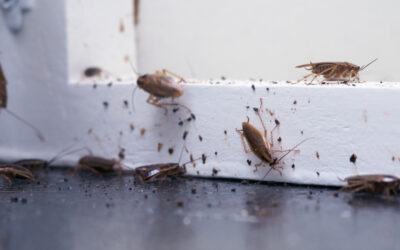
- A 2025 Harris Poll and NPMA survey found that 36% of Americans have spotted ants in their home and 21% have encountered cockroaches, underscoring how common pest issues are and how important proper treatment preparation becomes.
- Planning for children and pets ahead of time — including knowing re-entry times for treated areas — eliminates stress on the day of service and keeps everyone safe.
- Communicating where you’ve seen pest activity, how long the problem has persisted, and any concerns about health sensitivities helps your technician build a more targeted and effective treatment plan.
Clear Access to Walls, Baseboards, and Problem Areas
The most impactful thing you can do before a pest control visit is give your technician clear access to the areas they need to treat. Pests travel along baseboards, hide in cracks near walls, nest behind appliances, and enter through gaps around plumbing and utility lines. If furniture, boxes, or clutter are blocking those areas, your technician either has to work around the obstacles or skip them entirely — and the spots they can’t reach are often the ones that matter most.
What to Move and Where
Pull furniture away from walls by a few inches in the rooms where you’ve noticed pest activity. You don’t need to rearrange your entire house — focus on the rooms your technician will be treating. Kitchens and bathrooms are almost always priority areas because they offer the food and moisture pests are looking for.
In kitchens, clear items from under the sink and pull the stove and refrigerator out slightly if possible. These are prime hiding spots for cockroaches, ants, and rodents. In bedrooms — especially if bed bugs are the concern — pull the bed away from the wall and remove any items stored underneath it.
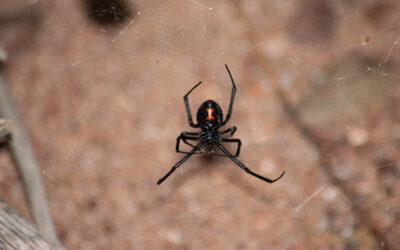
If you have a garage, clear a path along the walls and remove items from the floor near the perimeter. Garages are common entry points for rodents, spiders, and ants in Northern Nevada, particularly during fall and winter when pests push indoors to escape the cold.
Key Takeaways
- Moving furniture a few inches from walls in treated rooms gives your technician access to the baseboards and cracks where pests are most active.
- Focus your preparation efforts on kitchens, bathrooms, and any rooms where you’ve noticed pest activity.
- Garages and storage areas are common treatment zones in Northern Nevada homes — clearing a path along walls makes a real difference.
Store Food, Dishes, and Pet Supplies
Before any interior treatment, it’s important to protect anything that comes into contact with food. Professional pest control products are applied in targeted locations — cracks, crevices, and behind appliances — not across open surfaces where you prepare meals, but taking a few precautions ensures there’s zero chance of incidental contact with food items.
A Simple Food Safety Checklist
Here’s what we recommend doing the morning of your appointment or the night before:
- Store open food in sealed containers or in the refrigerator — this includes fruit bowls, bread, snack bags, and anything sitting out on countertops.
- Put away dishes, utensils, and cutting boards — place them inside cabinets or dishwashers so they’re not on exposed surfaces during treatment.
- Remove pet food and water bowls — store them in a closet or another room until your technician gives you the all-clear to put them back.
- Pack away baby bottles, sippy cups, and pacifiers — anything infants put in their mouths should be stored away from treated areas.
- Seal or cover fish tanks — if you have an aquarium in a room being treated, cover it and turn off the air pump to prevent airborne particles from entering the water.
These steps usually take about 15 minutes and provide complete peace of mind during treatment. A 2026 survey found that 79% of homeowners are concerned about pest control products being harmful to children or pets, and proper food and dish storage is one of the simplest ways to eliminate that worry entirely.
Key Takeaways
- Store all open food, pet dishes, baby items, and utensils before your appointment to prevent any incidental contact with treated surfaces.
- Cover fish tanks and turn off air pumps in rooms being treated, since aquatic animals are especially sensitive to airborne particles.
- These precautions take about 15 minutes and completely eliminate the most common safety concerns homeowners have about interior treatments.
Plan for Children and Pets During Treatment
Knowing where your kids and pets will be during the treatment — and how long they need to stay away from treated areas afterward — removes stress from the entire experience. The good news is that most standard pest treatments are far less disruptive than people expect.
Timing and Re-Entry
For standard interior treatments targeting ants, spiders, cockroaches, and similar pests, treated areas typically need about 30 minutes to 2 hours to dry before they’re safe for normal activity. You don’t need to leave your entire home — just keep children and pets out of the specific rooms being treated until the products have dried completely.
If your appointment involves a more intensive service like a bed bug heat treatment, you’ll need to plan for a longer absence — typically 6 to 8 hours. Your technician should communicate the expected timeline when you schedule the appointment so you can arrange care for children and pets accordingly.
For pet owners specifically, keep dogs and cats away from treated surfaces until they’re dry. Birds, reptiles, and fish are more sensitive than mammals to pest control products, so they should be removed from treated rooms entirely or covered and sealed during service. If you have a dog door, mention it to your technician — it’s both a potential pest entry point and something to consider when planning product placement.
Here in Northern Nevada, our dry climate works in your favor. Products dry faster in Reno’s arid environment than they would in humid regions, so re-entry times are often on the shorter end of the typical range.
Key Takeaways
- Most standard treatments require only 30 minutes to 2 hours of avoiding treated rooms, not full home evacuation.
- Birds, reptiles, and fish need extra protection and should be removed from or sealed off in treated areas.
- Ask about the expected timeline when you schedule your appointment so you can plan childcare and pet arrangements in advance.
Tell Your Technician What You’ve Been Seeing
This step costs you nothing and takes two minutes, but it’s one of the most valuable things you can do to improve the quality of your treatment. Your technician is an expert at finding pests, but you’re the expert on your own home — and the observations you share can save significant time and lead to a more targeted, effective service.
Information That Helps Your Technician
Before your appointment, take a few minutes to think about and jot down:
- Where you’ve seen pest activity — specific rooms, areas of the kitchen, along certain baseboards, in the garage, around certain windows
- When the problem started — was it recent, or has it been building over weeks or months?
- What you’ve noticed — droppings, bite marks, sounds at night, trails of ants, webs in specific locations, gnaw marks, unusual odors
- What you’ve already tried — if you’ve used store-bought sprays, traps, or baits, let your technician know what products you used and whether they helped at all
- Any household sensitivities — asthma, allergies, chemical sensitivities, pregnancy, infants, or elderly residents who may need extra precautions
This information helps your technician prioritize their inspection, choose the right treatment approach, and focus on the areas that matter most. A pest control visit that starts with good communication between you and your technician almost always produces better results than one where the technician walks in cold.
Key Takeaways
- Share the location, timing, and nature of pest activity you’ve observed so your technician can focus their inspection and treatment on the areas that matter most.
- Mention any DIY products you’ve already used, since some treatments interact with others and your technician needs to account for what’s already been applied.
- Communicate any health sensitivities in your household so the treatment plan can be adjusted accordingly.
What to Do After Your Technician Leaves
Your role doesn’t end when the treatment is complete. A few simple post-treatment steps help the products work as effectively as possible and set you up for long-term success.
Post-Treatment Best Practices
Wait the full recommended time before re-entering treated areas. Your technician will give you a specific window — respect it even if the surfaces look dry. In Northern Nevada’s low humidity, drying happens quickly, but giving the products their full working time ensures maximum effectiveness.
Avoid deep cleaning treated areas for at least a week. Light cleaning like wiping countertops is fine, but avoid mopping baseboards, scrubbing behind appliances, or steam-cleaning along walls where products have been applied. Those are the exact areas where the treatment needs to remain active to intercept pests over the coming days and weeks.
Keep up with the prevention basics. Seal food in airtight containers, fix leaky faucets, take trash out regularly, and keep clutter to a minimum. Prevention is the longest-lasting component of any pest control program, and it’s especially important in Northern Nevada where our dry climate drives ants indoors in search of water and our cold winters push rodents toward shelter.
Don’t be alarmed if you see increased pest activity in the first few days after treatment. This is actually normal and often a sign that the products are working — pests are being flushed from their hiding spots. If activity hasn’t decreased noticeably within one to two weeks, contact your provider for a follow-up assessment, which should be included under any satisfaction guarantee.
Key Takeaways
- Wait the full recommended drying time before resuming normal activity in treated rooms, even if surfaces appear dry.
- Avoid deep cleaning treated baseboards and cracks for at least a week so products remain active where pests travel.
- A brief increase in visible pest activity after treatment is normal and typically indicates the products are working.
Set Your Next Visit Up for Success
We hope this guide takes the guesswork out of preparing for a pest control appointment. The homeowners who get the best results from their pest control service are the ones who prepare their home, communicate openly with their technician, and follow through on post-treatment recommendations. It’s a partnership, and when both sides do their part, the results speak for themselves.
At Right Away Pest Solutions, we walk every customer through the preparation process when they schedule their appointment so there are no surprises on the day of service. Our team has spent over 20 years serving families across Reno, Sparks, Truckee, Carson City, and the surrounding Northern Nevada communities, and we pride ourselves on clear communication at every step. We offer free inspections with no obligation, no contracts, and a satisfaction guarantee on every service.
Call us at (775) 722-7708 to schedule your appointment and we’ll make sure you know exactly how to prepare. You can also explore our full range of pest control services to learn more about what we offer across Northern Nevada.