Reno’s high desert climate, extreme temperature swings, and proximity to the Sierra Nevada foothills create a unique environment where specific pests thrive and consistently find their way into local homes. Ants, spiders, rodents, wasps, cockroaches, and bed bugs are the most common pests Reno homeowners encounter, and each one follows a predictable seasonal pattern driven by the region’s hot, dry summers and cold winters.
We put together this guide to help you understand which pests you’re most likely to deal with in the Reno area, when they’re most active, and what makes them particularly problematic in our part of Northern Nevada.
Whether you live in Midtown, South Reno, Somersett, or anywhere across the Truckee Meadows, knowing what to watch for throughout the year is the first step toward keeping your home protected.
Summary
- Ants are the most frequent pest complaint in Reno, driven primarily by the arid climate and their relentless search for water indoors.
- Black widow spiders are common in Reno garages, woodpiles, and undisturbed storage areas, and their bites are medically significant enough to warrant professional management near entry points.
- Rodents — particularly deer mice and house mice — push indoors aggressively during fall and winter, and about 17% of deer mice in Washoe County have historically tested positive for hantavirus.
- Reno’s pest activity follows a clear seasonal cycle: ants and wasps dominate spring and summer, spiders peak in late summer and fall, and rodents become the primary concern from October through March.
Ants: Reno’s Most Persistent Household Pest
If you’ve lived in Reno for any length of time, you’ve almost certainly dealt with ants. They’re the single most common pest complaint we hear about, and for good reason. In the high desert, ants are driven indoors by their search for water, not just food, which is why even the cleanest kitchen in Reno can wake up to an ant trail overnight.
Species You’ll Encounter
The most common ant species in the Reno area are pavement ants and odorous house ants. Pavement ants are small, dark brown to black, and typically nest under sidewalks, driveways, and slab foundations. Odorous house ants get their name from the unpleasant smell they produce when crushed — often described as rotten coconut. Both species send scouts into your home looking for moisture and sugar, and once they find a source, they lay down a pheromone trail that guides hundreds more ants to the same spot.
Carpenter ants are also present in Reno, particularly in homes with wood siding, decks, or older framing. Unlike pavement and odorous ants, carpenter ants don’t just forage for food — they tunnel through wood to build their nests, causing structural damage that can go undetected for months. Spraying the ants you see won’t solve the problem because killing foragers on the surface doesn’t reach the colony, and the pheromone trail remains active even after those individual ants are gone.
Key Takeaways
- Ants in Reno are primarily water-driven, which is why they invade homes even when kitchens are clean and food is stored properly.
- Pavement ants and odorous house ants are the most common species, while carpenter ants pose an additional structural risk.
- Effective ant control requires targeting the colony itself, not just the visible foragers.
Spiders: From Nuisance to Genuine Concern
Reno is home to a wide variety of spider species, and the vast majority are harmless. However, the presence of black widow spiders throughout Northern Nevada elevates spider management from a cosmetic concern to a safety priority for many homeowners.
Black Widows in Reno
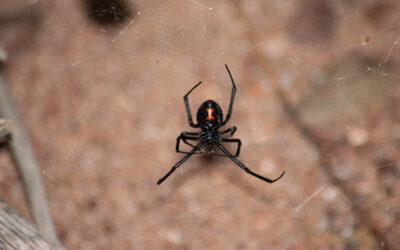
Black widow spiders are commonly found in Reno garages, sheds, woodpiles, crawl spaces, and undisturbed corners of basements. They prefer dark, dry, sheltered areas — which the high desert climate provides in abundance. A black widow bite can cause significant pain, muscle cramps, nausea, and in rare cases requires medical attention, particularly for children and elderly individuals.
Beyond black widows, you’ll encounter wolf spiders, cellar spiders, and various garden spiders around Reno homes. While these species aren’t dangerous, heavy spider activity around your home is usually a sign of a larger insect population. Spiders follow their food supply, so a spike in spiders typically means there’s an underlying insect problem sustaining them. A wet spring in the Reno area often leads to more insects, which in turn causes a noticeable increase in spider populations during summer and fall.
Key Takeaways
- Black widow spiders are common in Reno and pose a real health risk, especially in garages, woodpiles, and crawl spaces.
- Heavy spider activity is often a symptom of a broader insect population issue rather than a standalone problem.
- Spider populations in the Truckee Meadows follow insect availability, typically peaking in late summer and early fall.
Rodents: A Winter Threat With Year-Round Consequences
Rodents are among the most serious pest concerns in Reno, both because of the property damage they cause and the genuine health risks they carry. The house mouse is the most common rodent in the Reno area, but deer mice and pack rats (woodrats) are also prevalent, particularly in homes near open desert, foothills, or rural properties on the outskirts of the city.
Why Reno’s Climate Makes Rodent Problems Worse
Reno’s cold winters drive rodents indoors aggressively starting in October. A mouse can squeeze through a gap the size of a dime, and once inside your walls, they chew through wiring, insulation, and stored belongings. According to the American Housing Survey, about 11.6% of U.S. households report rodent problems annually — but Nevada’s rate sits at just 4.8%, which can give Reno homeowners a false sense of security. The reality is that localized rodent pressure in Reno’s older neighborhoods and foothill communities can be significantly higher than the statewide average.
What makes rodents in Washoe County especially concerning is the presence of hantavirus. Historical surveillance from the Nevada State Epidemiology Office found that approximately 17% of deer mice in Washoe County tested positive for hantavirus, and cases of hantavirus pulmonary syndrome have been reported in the county as recently as 2025. Hantavirus spreads when people inhale particles from infected rodent droppings, urine, or nesting material, making proper cleanup and professional exclusion critical.
Key Takeaways
- House mice are Reno’s most common rodent, but deer mice and pack rats also present significant challenges, especially near foothill and rural properties.
- Cold winters in Northern Nevada drive intense seasonal rodent invasion, particularly from October through March.
- Hantavirus is a documented health risk in Washoe County, making professional rodent exclusion and safe cleanup essential.
Wasps, Cockroaches, and Bed Bugs in Reno
Beyond the big three — ants, spiders, and rodents — Reno homeowners also encounter several other pests that peak at different times of year and present their own set of challenges.
Wasps and Stinging Insects
Yellowjackets, paper wasps, and mud daubers are all active in the Reno area from spring through fall. Queens begin building nests in March and April, and by midsummer, colonies can contain thousands of individuals. Nests located near doorways, eaves, attics, or play areas create a serious safety risk, especially for children and anyone with a sting allergy. Wasp stings send roughly 500,000 people to emergency rooms across the U.S. each year, according to the National Pest Management Association.
Cockroaches
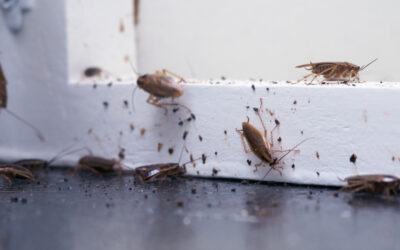
Cockroaches are less dominant in Reno than in warmer, more humid climates, but they’re far from absent. German cockroaches and American cockroaches are the species most commonly found in Reno homes and businesses, particularly in kitchens, bathrooms, and anywhere moisture collects. They become more active as temperatures warm in spring and summer, and because cockroaches reproduce quickly — a single German cockroach and her offspring can produce over 30,000 new roaches in a year under ideal conditions — even a small presence can escalate fast.
Bed Bugs
Bed bugs are a year-round concern in Reno, largely driven by the city’s tourism and hospitality industry. They travel on luggage, clothing, and used furniture, and they can establish themselves in any home regardless of cleanliness. About one in five American households has experienced a bed bug infestation or knows someone who has, and Reno’s steady flow of visitors keeps the risk elevated.
Key Takeaways
- Wasps are most active in Reno from late spring through early fall, and nests near living areas should be removed by a professional to avoid stinging incidents.
- Cockroaches thrive in moisture-rich areas of Reno homes and can multiply rapidly if not addressed early.
- Bed bugs are a persistent year-round risk in Reno, fueled by travel and tourism activity in the region.
Seasonal Pest Calendar for Reno Homeowners
Understanding when each pest is most active helps you stay ahead of problems instead of reacting after they’ve already taken hold. Here’s a general timeline based on what we see year after year in the Reno area:
- Spring (March–May) — Ant colonies become highly active as the ground thaws. Wasp queens begin building nests. Spiders emerge as insect populations rise.
- Summer (June–August) — Peak season for ants, wasps, cockroaches, and spiders. Heat drives pests indoors in search of cooler, moisture-rich environments.
- Fall (September–November) — Spider activity peaks as populations boom from summer insect feeding. Rodents begin pushing indoors as temperatures drop. Boxelder bugs and elm leaf beetles may cluster on sunny exterior walls.
- Winter (December–February) — Rodent pressure is at its highest. Bed bugs remain active year-round. Most insect activity slows, but anything already established indoors continues to breed.
Reno’s pest challenges are driven by the same climate that makes our area unique — the high desert dryness, the dramatic temperature swings, and the proximity to both the Sierra Nevada and the Great Basin. Knowing what to expect each season puts you in a much better position to protect your home.
Take Action Before Pests Take Over
We hope this guide gives you a clearer picture of the pests that are most likely to show up in your Reno home and when to expect them. The most effective pest management strategy is prevention combined with early intervention, and that starts with a thorough inspection from someone who knows what to look for.
At Right Away Pest Solutions, we’ve spent over 20 years solving pest problems across Reno, Sparks, Truckee, Carson City, and the surrounding Northern Nevada communities. We know the local pest pressures, we know the seasonal patterns, and we know how to handle every species on this list. We offer free inspections with no obligation, same-day service when you call before 2 p.m., and a satisfaction guarantee on every job.
Give us a call at (775) 722-7708 to schedule your free inspection and get ahead of whatever’s bugging you. You can also learn more about our full range of pest control services in Reno.