Restaurants and food service businesses need a comprehensive pest management program built on four pillars: an Integrated Pest Management plan with documented protocols, regular professional service targeting the specific pests that threaten food safety, structural exclusion that prevents pests from entering the building, and thorough recordkeeping that demonstrates ongoing compliance during health inspections.
The FDA Food Code Section 6-501.111 mandates that food establishments take effective measures to exclude pests from the premises, and health inspectors don’t just look for visible pest activity — they evaluate whether the business has an active, documented system in place to prevent it. A single cockroach sighting during an inspection can result in a citation, fines starting at $500, or a temporary closure order that costs thousands in lost revenue.
We work with restaurants and food service operations across Reno, Sparks, Truckee, Carson City, and Northern Nevada, and we created this guide to help food service owners understand exactly what their pest control program should include and why each component matters.
Summary
- Restaurants need an Integrated Pest Management program that combines monitoring, prevention, exclusion, and targeted treatment — not just routine spraying — because IPM is the standard health inspectors and third-party auditors expect to see documented.
- Cockroaches, rodents, flies, and stored product pests are the four pest categories that trigger the most health code violations in food service operations, and each requires a different management strategy.
- FDA-regulated food facilities must maintain pest control records for a minimum of two years as part of their written food safety plan, including service logs, pesticide application records, and corrective action documentation.
- Structural exclusion — sealing gaps, screening vents, maintaining door sweeps, and eliminating entry points — is as important as chemical treatment because it prevents the conditions that attract pests in the first place.
The Pests That Threaten Food Service Operations
Not all pests carry the same weight during a health inspection. Understanding which ones inspectors focus on and why they matter for food safety helps you prioritize your pest management resources where they’ll have the greatest impact.
The Four High-Risk Categories
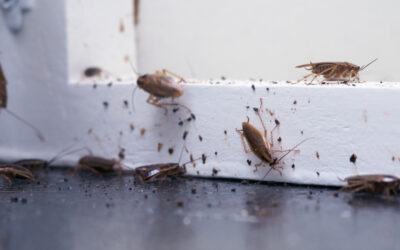
Cockroaches are the most damaging pest a food service business can encounter. They contaminate food and surfaces with bacteria including salmonella and E. coli, they trigger asthma and allergic reactions through their droppings and shed skins, and their presence is one of the most commonly cited violations during health inspections. German cockroaches are particularly problematic in commercial kitchens because they reproduce rapidly — a single female and her offspring can produce over 30,000 new cockroaches in a year under favorable conditions — and they thrive in the warm, moist environments that kitchens provide.
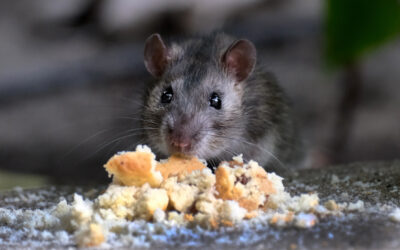
Rodents — primarily house mice and Norway rats — pose both contamination and structural risks. They gnaw through food packaging, leave droppings and urine on food preparation surfaces, and can damage wiring and plumbing inside walls. In Northern Nevada, rodent pressure intensifies from October through March as cold temperatures drive them toward the warmth and food sources that restaurants provide. The CDC lists over 35 diseases that rodents can transmit to humans, making their presence in a food service operation a serious public health concern.
Flies — including house flies, drain flies, and fruit flies — are classified as food contamination risks under the FDA Food Code. They transfer pathogens from contaminated surfaces to food through contact and regurgitation. Drain flies breed in the organic buildup inside floor drains, which are present in every commercial kitchen. Fruit flies follow fermenting organic material in bar areas, produce storage, and waste bins.
Stored product pests — Indian meal moths, flour beetles, and grain weevils — infest dry goods like flour, rice, cereal, and spices. They’re often introduced through contaminated deliveries and can spread quickly through a pantry if not caught early.
Key Takeaways
- Cockroaches, rodents, flies, and stored product pests are the four categories that trigger the most health code violations and pose the greatest food safety risks.
- German cockroaches are the most challenging kitchen pest due to their rapid reproduction rate and preference for warm, moist environments.
- In Northern Nevada, cold-weather rodent migration creates heightened risk for restaurants from October through March.
Why IPM Is the Standard for Food Service
If your restaurant’s pest control program consists of a technician showing up once a month to spray the baseboards, that’s not what health inspectors or third-party auditors consider an adequate program. Integrated Pest Management is the framework that the FDA, state health departments, and major audit programs like AIB, SQF, and BRC all recognize as the standard for food service pest management.
What an IPM Program Looks Like in a Restaurant
A genuine IPM program for a food service operation includes several interconnected components:
Monitoring and inspection. Every service visit should begin with a thorough inspection of high-risk zones — behind refrigeration units, under prep tables, inside wall voids near plumbing, around floor drains, in dry storage areas, and at exterior entry points. Monitoring devices like glue boards, pheromone traps, and rodent monitoring stations provide ongoing data about pest activity between visits, allowing your technician to spot trends before they become infestations.
Identification. Accurate pest identification drives every treatment decision. A drain fly problem requires a completely different approach than a fruit fly problem, even though both show up as small flying insects in the kitchen. Your technician should identify the exact species and trace it to its source rather than applying a generic treatment.
Exclusion and sanitation. This is where IPM diverges most from traditional spray-based pest control. Rather than relying solely on chemical treatment, IPM prioritizes eliminating the conditions that attract pests — sealing structural gaps, repairing damaged door sweeps, screening vents and utility penetrations, fixing plumbing leaks, cleaning floor drains, and ensuring food is stored properly. These measures provide lasting protection that chemical treatment alone cannot.
Targeted treatment. When treatment is necessary, IPM uses the most targeted, least disruptive method available. In food service environments, this means gel baits placed in cracks and crevices rather than broadcast spraying, tamper-resistant rodent stations instead of loose bait, and products specifically labeled for use in food-handling areas. The EPA requires that all pesticides used in food service environments be applied strictly according to their label — using a product inconsistent with its label is a federal violation under FIFRA.
Communication. Your pest control technician and your kitchen management team should be in regular communication. The technician reports findings, recommends corrective actions, and updates documentation. The kitchen team reports any pest sightings between visits and implements the sanitation and exclusion recommendations the technician provides. This partnership is what makes IPM work in practice.
Key Takeaways
- IPM is the recognized standard for food service pest management across the FDA, state health departments, and third-party audit programs.
- A genuine IPM program combines monitoring, identification, exclusion, sanitation, targeted treatment, and communication — not just scheduled spraying.
- All products used in food service environments must be specifically labeled for that use and applied according to label directions.
Documentation That Keeps You Compliant
Documentation may not be the most exciting part of pest control, but for restaurants, it’s arguably the most important. FDA-regulated food facilities are required to maintain pest control records for a minimum of two years as part of their written food safety plan, and your state or county health department may impose additional requirements.
What Your Records Should Include
A complete pest control documentation package for a restaurant includes:
- Service reports from every visit — detailing what was inspected, what was found, what was treated, and what products were applied (including EPA registration numbers and application locations)
- Pest activity logs — a running record of pest sightings, monitoring device readings, and trend data that demonstrates whether pest pressure is stable, improving, or worsening
- Corrective action records — documentation of structural repairs, exclusion work, and sanitation improvements recommended by your technician and completed by your team
- Pesticide application records — specific product names, active ingredients, quantities, and application zones for every treatment
- Staff training logs — records showing that your team has been trained on pest prevention protocols, proper food storage, and how to report pest activity
When a health inspector walks through your door, the first thing they often ask for is your pest control service records. Having a complete, organized, and current file demonstrates that your business takes pest management seriously and is actively maintaining compliance — not just reacting when problems arise. Restaurants that can produce thorough documentation consistently fare better during inspections than those that scramble to find paperwork.
Key Takeaways
- FDA regulations require food facilities to maintain pest control records for at least two years, including service reports, application records, and corrective action documentation.
- Organized, current documentation is often the first thing health inspectors request and can significantly influence the outcome of an inspection.
- Staff training records are part of compliance — your team should be trained on pest prevention, food storage, and how to report pest sightings.
Structural Exclusion for Food Service Buildings
Chemical treatment manages existing pest activity, but structural exclusion prevents new pests from entering in the first place. For restaurants, exclusion is especially important because commercial kitchens generate the warmth, moisture, and food odors that actively attract pests from the surrounding environment.
Critical Exclusion Points for Restaurants
Exterior doors are the most common pest entry point in food service buildings. Self-closing doors with properly fitted sweeps and weatherstripping prevent rodents, cockroaches, and flies from walking or flying in during business hours. Loading dock doors that are left open during deliveries should be fitted with air curtains or strip curtains to create a barrier against flying insects.
Utility penetrations — where plumbing, gas lines, electrical conduit, and HVAC ductwork enter the building — often have gaps that go unnoticed but provide direct access for rodents and insects. These should be sealed with steel mesh, caulk, or expanding foam rated for pest exclusion.
Floor drains are breeding sites for drain flies and can also serve as entry points for cockroaches that travel through sewer systems. Drain covers should be properly fitted, and drains should be cleaned regularly to prevent the organic buildup that sustains drain fly larvae.
Roof and wall vents should be screened to prevent birds, rodents, and flying insects from entering attic spaces and wall cavities. In Northern Nevada, roof vents are a common entry point for roof rats and birds, particularly in older commercial buildings in the Reno and Sparks area where screening has deteriorated over time.
Dumpster areas should be located as far from the building entrance as practical, and dumpsters should have tight-fitting lids that are kept closed. Grease traps and dumpster pads should be cleaned regularly to reduce the food waste odors that attract rodents, flies, and cockroaches.
Key Takeaways
- Structural exclusion prevents new pest entry and is as important as chemical treatment for long-term pest management in food service.
- Exterior doors, utility penetrations, floor drains, roof vents, and dumpster areas are the most critical exclusion points for restaurants.
- In Northern Nevada, roof vents in older commercial buildings are a common and often overlooked entry point for rodents and birds.
Building a Pest Control Program That Protects Your Business
Running a restaurant in Northern Nevada means managing all of these elements — the right pests targeted, an IPM framework in place, documentation current, and exclusion maintained — while also managing your kitchen, your staff, and your customers. The most effective way to handle that complexity is to partner with a pest control provider who understands food service operations and can manage the program for you.
What to Look for in a Food Service Pest Control Provider
The qualities that matter most for restaurant pest control go beyond basic pest management:
- Food service experience — your provider should understand health code requirements, FDA documentation standards, and how to work around kitchen schedules without disrupting service
- Off-hours scheduling — treatments should happen during early morning, late night, or closed hours so your kitchen stays operational and your customers are never exposed to service activity
- Complete documentation — every visit should produce a detailed service report that you can file immediately for inspection readiness
- IPM methodology — look for a provider who inspects before treating, identifies specific pests, recommends exclusion and sanitation improvements, and uses targeted products labeled for food-handling environments
- Responsive communication — pest sightings between scheduled visits need to be addressed quickly, and your provider should offer emergency response capability
A pest control provider who treats your restaurant the same way they treat a residential home isn’t equipped for the regulatory, operational, and reputational demands of food service. The stakes are higher, the documentation requirements are stricter, and the consequences of failure are more severe.
Key Takeaways
- Choose a provider with specific food service experience who understands health codes, FDA requirements, and the operational constraints of restaurant environments.
- Off-hours scheduling, complete documentation, IPM methodology, and responsive communication are the non-negotiable qualities for a food service pest control partner.
- Restaurant pest control is fundamentally different from residential service — the regulatory and reputational stakes require a higher level of expertise.
Protect Your Restaurant the Right Way
We understand that pest control is just one of dozens of things competing for your attention as a restaurant owner, but it’s one that can shut your doors, damage your reputation, and cost you thousands if it’s not handled correctly. The right pest control program doesn’t just keep pests out — it keeps inspectors satisfied, protects your customers’ health, and preserves the reputation you’ve worked so hard to build.
At Right Away Pest Solutions, we’ve been serving restaurants and food service businesses across Reno, Sparks, Truckee, Carson City, and the surrounding Northern Nevada communities for over 20 years. We understand the specific pest pressures our climate creates for commercial kitchens, we provide the documentation health inspectors expect to see, and we work around your operating schedule so your service never disrupts your business. We offer free commercial inspections with no obligation, no contracts, and a satisfaction guarantee.
Call us at (775) 722-7708 to schedule your free restaurant inspection and make sure your pest control program is inspection-ready. Learn more about our full range of pest control services for businesses across Northern Nevada.