Sparks sits right in the heart of the Truckee Meadows alongside Reno, and its semi-arid desert climate — averaging just 8 inches of rainfall per year compared to the national average of 38 inches — creates ideal conditions for ants, spiders, rodents, cockroaches, wasps, and bed bugs to thrive year-round.
If you live in Sparks, you’re dealing with the same high desert pest pressures that affect all of Northern Nevada, but with neighborhood-specific factors that make certain pests more aggressive in certain parts of the city. With a population that’s grown over 18% since 2010 and new development pushing further into open desert, pest encounters in Sparks are becoming more frequent as construction displaces rodent and insect populations into established neighborhoods.
We’ve been serving Sparks homeowners for over 20 years, and we put this guide together to help you understand which pests you’re most likely to encounter, when they’re most active, and what makes our part of Northern Nevada particularly challenging when it comes to keeping pests out of your home.
Summary
- Ants are the most common pest complaint in Sparks, driven primarily by the city’s arid climate and their constant search for water inside homes.
- Sparks receives only 8 inches of rain per year and experiences roughly 253 sunny days, creating conditions where pests seek shelter, moisture, and food indoors for much of the year.
- Rodents become especially aggressive in Sparks from October through March, and homes near open desert or newer developments on the city’s edges face higher rodent pressure as construction displaces existing populations.
- A predictable four-season pest cycle — ants and wasps in spring and summer, spiders in late summer and fall, rodents in winter — means proactive, seasonal pest management is the most effective approach for Sparks homeowners.
Ants: Sparks’ Most Persistent Invader
If there’s one pest every Sparks homeowner has battled at some point, it’s ants. They’re the number one pest complaint we receive from customers in the area, and it’s not hard to understand why. In a city that averages just 8 inches of rainfall annually, ants are driven indoors primarily by their desperate need for water — not just food. This is why even the most meticulously clean kitchen in a Sparks home can wake up to an ant trail running along the sink or dishwasher.
Species and Behavior in Sparks
Pavement ants and odorous house ants are the two most common species we encounter in Sparks. Pavement ants nest under sidewalks, driveways, and slab foundations — which makes them a frequent issue in neighborhoods with concrete-heavy construction. Odorous house ants, named for the rotten-coconut smell they produce when crushed, are aggressive foragers that send scouts through every gap they can find.
Carpenter ants are also present in Sparks, particularly in older homes with wood siding, decks, and established landscaping. Unlike other ants, carpenter ants tunnel into wood to nest, causing structural damage that often goes unnoticed for months. Spraying the ants you see on the surface doesn’t solve the problem — it kills expendable foragers while the queen continues producing hundreds of eggs deep inside the colony. Effective ant control in Sparks requires targeting the colony itself, which is why we use bait-based approaches that foragers carry back to the queen rather than contact sprays that only address the symptom.
Key Takeaways
- Ants in Sparks are primarily seeking water, which is why invasions happen even in spotless homes during the driest months.
- Pavement ants and odorous house ants are the most common species, with carpenter ants posing an additional structural risk in older homes.
- Bait-based treatment that reaches the colony is the only reliable long-term solution — surface spraying kills foragers but leaves the queen and nest untouched.
Spiders: From Common Nuisance to Black Widow Concern
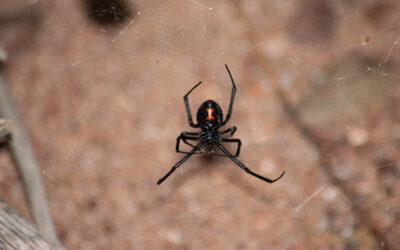
Sparks is home to a wide variety of spiders, and the vast majority are harmless guests that help control other insect populations. However, black widow spiders are well established throughout the Sparks area, and their presence elevates spider management from an aesthetic issue to a genuine safety priority.
Black Widows in Sparks
Black widows thrive in Sparks’ dry, warm climate and are commonly found in garages, storage sheds, woodpiles, block walls, and the undersides of outdoor furniture. They prefer dark, undisturbed spaces — and Sparks’ 253 sunny days per year create plenty of warm, sheltered hiding spots around the exterior of homes. A black widow bite causes significant pain, muscle cramps, and nausea, and can require medical attention for children and elderly residents.
Beyond black widows, you’ll encounter wolf spiders, cellar spiders, and various garden spiders around Sparks homes. A spike in spider activity is almost always a sign that there’s an underlying insect population sustaining them. Spiders follow their food supply, so if you’re seeing more spiders than usual, it typically means there’s a broader pest issue worth investigating. Our approach starts by reducing the insect populations that attract spiders in the first place, which is far more effective than knocking down individual webs.
Key Takeaways
- Black widows are common in Sparks and favor garages, sheds, woodpiles, and undisturbed storage areas — always check before reaching into dark spaces.
- Heavy spider activity usually indicates an underlying insect problem that’s providing a food source.
- Effective spider management means addressing the insect populations that attract them, not just removing webs.
Rodents: Winter Invasion and Year-Round Damage
Rodents are among the most serious pest concerns in Sparks, both because of the property damage they cause and the health risks they carry. House mice are the most common rodent in Sparks, but deer mice and pack rats are also prevalent, especially in neighborhoods bordering open desert on the city’s eastern and northern edges.
Why Sparks’ Growth Makes Rodent Problems Worse
Sparks has grown significantly over the past decade, with its population climbing over 18% since 2010 to more than 108,000 residents. As new construction pushes into previously undeveloped areas, existing rodent populations are displaced directly into established neighborhoods. Homes in newer developments near open land are particularly vulnerable because construction activity disrupts rodent habitats and drives them toward the nearest available shelter — your home.
Cold winters in Sparks intensify the problem. When nighttime temperatures drop below freezing — which happens an average of 140 days per year — mice and rats push indoors aggressively. A mouse can squeeze through a gap the size of a dime, and once inside your walls, they chew through wiring, insulation, and stored belongings.
The health risk is real, too. Historical surveillance data from the Nevada State Epidemiology Office has found that approximately 17% of deer mice in Washoe County tested positive for hantavirus. Hantavirus spreads when people inhale particles from infected rodent droppings or nesting material, making professional cleanup and exclusion critical.
Key Takeaways
- Sparks’ population growth and new construction are displacing rodent populations into established neighborhoods, increasing encounters for existing homeowners.
- Cold winters drive rodents indoors aggressively, with below-freezing nighttime temperatures occurring roughly 140 days per year.
- Hantavirus is a documented risk in Washoe County, making professional rodent exclusion and safe cleanup essential.
Wasps, Cockroaches, and Bed Bugs in Sparks
Beyond ants, spiders, and rodents, Sparks homeowners also encounter several other pests that follow predictable seasonal patterns.
Wasps and Stinging Insects
Yellowjackets, paper wasps, and mud daubers are active throughout Sparks from spring through fall. Queens begin nest construction in March and April, and by midsummer, colonies can contain thousands of individuals. Nests near doorways, eaves, play structures, and the Sparks Marina or backyard recreational areas create a serious sting risk, particularly for children and anyone with allergies. Wasp stings send approximately 500,000 Americans to emergency rooms each year, according to the National Pest Management Association.
Cockroaches
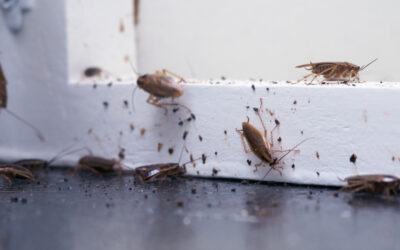
German cockroaches and American cockroaches are the species most commonly found in Sparks homes and businesses, particularly in kitchens, bathrooms, and laundry rooms where moisture collects. A single German cockroach and her offspring can produce over 30,000 new roaches in a year under favorable conditions, which is why even a small cockroach presence can escalate quickly if left unaddressed. Sparks’ restaurant and hospitality corridor along Victorian Square and B Street creates additional cockroach pressure in nearby residential areas.
Bed Bugs
Bed bugs are a year-round concern in Sparks, driven by travel and the city’s proximity to Reno’s tourism and casino industry. They travel on luggage, clothing, and secondhand furniture, and they can establish themselves in any home regardless of cleanliness. About one in five American households has experienced a bed bug infestation or knows someone who has.
Key Takeaways
- Wasps are most active in Sparks from late spring through early fall, and nests near living areas should be removed professionally.
- Cockroaches thrive in moisture-rich areas and can multiply rapidly — early treatment prevents small problems from becoming large infestations.
- Bed bugs are a persistent year-round risk in Sparks, fueled by the region’s tourism and hospitality traffic.
Seasonal Pest Calendar for Sparks Homeowners
Understanding when each pest peaks in Sparks helps you stay ahead of problems rather than reacting once they’ve taken hold:
- Spring (March–May) — Ant colonies ramp up as temperatures warm. Wasp queens begin building nests. Spider activity increases as insect populations grow.
- Summer (June–August) — Peak pest pressure across the board. Ants become most aggressive as outdoor moisture evaporates. Cockroach activity rises. Spiders become more visible.
- Fall (September–November) — Spider populations peak after summer feeding. Rodents begin pushing indoors as nighttime temperatures drop. Boxelder bugs may cluster on sun-facing walls.
- Winter (December–February) — Rodent pressure is at its highest. Bed bugs remain active year-round. Most outdoor insect activity slows, but established indoor populations continue.
Sparks’ pest challenges are shaped by the same high desert conditions that define the entire Truckee Meadows — minimal rainfall, extreme temperature swings between day and night, and cold winters that drive everything indoors. A quarterly pest management plan aligned with these seasonal shifts is the most effective strategy for staying ahead of problems year-round.
A Partner You Can Count On in Sparks
We didn’t write this guide to sell you something. We wrote it because we’ve spent over two decades helping Sparks families deal with exactly these pests, and we believe that an informed homeowner is always in a better position to protect their home. Right Away Pest Solutions was built on a simple idea: show up fast, do the job right, and treat every home like it’s our own. That’s been our approach since day one, and it’s why families across Sparks, Reno, Truckee, Carson City, and the surrounding communities continue to trust us with their homes.
We’re a family-owned team based right here in the Reno-Sparks area. We’re not a franchise, not a call center. When you phone us, you talk to someone who knows your neighborhood. When we show up, the technician who inspects your home is the same person who handles the service. We offer free inspections with no obligation, same-day service when you call before 2 p.m., no contracts, and a satisfaction guarantee that means if pests come back, we come back.
Call us at (775) 722-7708 to schedule your free inspection and find out why Sparks homeowners have trusted us for over 20 years. Learn more about how we serve the Sparks and greater Northern Nevada area.