Every year, millions of homeowners face a familiar dilemma when they spot ants on the counter, a mouse in the garage, or something scurrying behind the walls: should you grab a can of spray from the hardware store, or pick up the phone and call a professional? The answer depends on the type of pest, the severity of the infestation, and the risks involved in getting it wrong.
Roughly 54% of U.S. homeowners rely on DIY pest control methods, according to a 2025 Scorpion consumer survey, yet repeat infestations suggest those solutions often fall short of long-term relief.
In this guide, we walk you through everything you need to know to make the right call, including which pests you can manage on your own, which ones demand expert help, and how to tell the difference before a small problem becomes a costly disaster.
Summary
- Minor pest sightings like a few ants or a single spider can usually be handled with basic DIY methods, but infestations involving structural pests, health hazards, or rapid reproduction almost always require professional intervention.
- DIY pest control costs between $50 and $150 per project on average, while professional treatments range from $200 to $700, though professional solutions typically prevent expensive damage down the road.
- Termites cause over $5 billion in U.S. property damage annually, and bed bugs, rodents, and cockroaches carry health risks that make expert identification and treatment essential.
- Knowing what you’re dealing with matters more than knowing how many you see, because misidentifying a pest species is one of the most common and costly DIY mistakes.
When DIY Pest Control Makes Sense
Not every pest sighting requires a service call. In many cases, a little knowledge and the right approach can solve the problem before it gets out of hand. We encourage homeowners to take action early, because the sooner you address a pest issue, the easier it is to manage.
Pests You Can Often Handle on Your Own
A few isolated ants near a window, a stray spider in the basement, or an occasional fruit fly around the kitchen are situations where a targeted DIY approach usually works fine. These pests are generally low-risk and haven’t yet established a serious foothold in your home.
Here are some situations where DIY is usually appropriate:
- Occasional ant trails near entry points — clean the area, seal the crack, and use a store-bought bait station near the source.
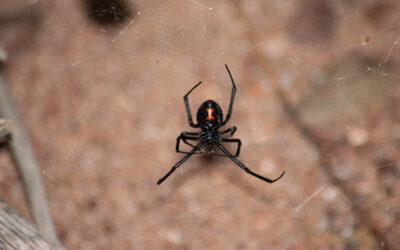
- One or two common house spiders — physically remove them and reduce clutter and moisture that attract the insects they feed on.
- Fruit flies near overripe produce — remove the food source, clean drains, and set vinegar traps.
- A single mouse sighting — place snap traps along walls in the area where you noticed activity, and seal obvious gaps with steel wool.
The most effective DIY pest control strategy is prevention, not reaction. Sealing cracks, keeping food stored properly, eliminating standing water, and maintaining a clean home go a long way toward keeping pests out in the first place.
Key Takeaways
- Isolated, low-risk pest sightings involving common household insects or a single rodent can often be managed with basic store-bought products and good sanitation.
- Prevention is your best DIY tool — seal entry points, eliminate food and water sources, and reduce clutter.
- If your DIY efforts don’t resolve the problem within a week or two, it’s time to reconsider.
Signs You Need Professional Pest Control
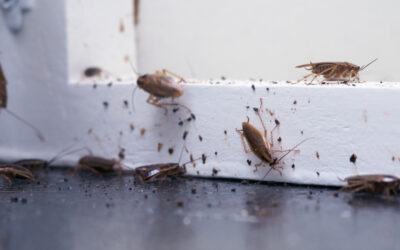
This is where many homeowners get tripped up. What looks like a small problem on the surface can actually signal a much bigger issue behind your walls, under your floors, or in your attic. If you see 10 cockroaches, there are likely hundreds more hiding in places you can’t reach. Knowing the warning signs of a serious infestation can save you thousands of dollars and protect your family’s health.
Red Flags That Demand Expert Help
Several situations should prompt you to call a pest control professional immediately rather than experimenting with over-the-counter products:
- Droppings, gnaw marks, or grease trails — these signs of rodent activity suggest an established population, not just a visitor passing through. A mouse can squeeze through a gap the size of a dime, so the entry points are often impossible to find without a trained eye.
- Wood damage or hollow-sounding walls — termites and carpenter ants cause structural damage that’s invisible until it’s severe. Wood-destroying insects account for over $5 billion in damage and repair costs across the United States every year.
- Bed bug bites or blood spots on sheets — bed bugs reproduce rapidly and hide in mattress seams, furniture joints, and behind baseboards. Over-the-counter sprays simply don’t reach them. Bed bug infestations are not a DIY project, and delaying professional treatment only allows the colony to spread.
- Recurring pest problems after multiple DIY attempts — if you’ve tried sprays, traps, and baits but the pests keep coming back, you’re likely treating the symptoms instead of the source.
- Large wasp nests near your home — removing a nest without proper equipment and training puts you at serious risk of multiple stings, which can be life-threatening for people with allergies.
- Cockroach sightings during the day — roaches are nocturnal, so spotting them in daylight usually means the hiding spots are overcrowded and the infestation is significant.
Research published in the Journal of Economic Entomology found that a single professional visit combining inspection, monitoring, and targeted treatment reduced cockroach populations by 75% at three months and 88% at six months, far outperforming routine spray-only approaches.
Key Takeaways
- Visible signs of structural damage, recurring infestations, and pests that carry health risks are clear indicators that professional intervention is needed.
- Cockroaches, bed bugs, termites, and large rodent populations require specialized knowledge, equipment, and products that aren’t available at retail stores.
- Delaying professional treatment for serious infestations almost always increases both the cost and the health risk.
The Hidden Costs of Getting It Wrong
One of the biggest misconceptions about DIY pest control is that it’s always the more affordable option. While DIY methods typically cost between $50 and $150 per project, that number can climb quickly when treatments need to be repeated. Professional treatments generally run between $200 and $700 depending on the pest and severity, but they address the root cause and often come with a guarantee.
Financial and Health Risks of Mismanaged Pest Problems
Non-professionals misapply pest control products more than twice as often as licensed technicians, according to industry data. Those mistakes don’t just waste money — they can expose your family and pets to harmful chemicals while doing little to solve the actual problem. Broad-spectrum spraying, one of the most common DIY tactics, tends to kill only the least hardy insects while the survivors multiply into a whole new population.
There are real health consequences to consider as well. Studies indicate that 30% to 70% of asthmatic children in urban areas are allergic to cockroach proteins, and high exposure levels are associated with increased emergency room visits. Rodents can carry hantavirus, salmonella, and other diseases. And improperly stored or applied pesticides present their own set of dangers, particularly in homes with children or pets.
The financial picture becomes even clearer with structural pests. A preventive pest control plan typically costs $300 to $800 per year, while a single termite repair averages around $3,000, making prevention four to ten times cheaper than reactive treatment.
Key Takeaways
- DIY approaches may appear cheaper upfront but can lead to repeated purchases, property damage, and health hazards that far exceed the cost of professional service.
- Misapplication of pest products is a real safety concern, and it happens significantly more often with untrained homeowners.
- For structural pests like termites, the math strongly favors investing in professional prevention over paying for emergency repairs.
How to Choose the Right Pest Control Professional
If you’ve decided that your situation calls for expert help, choosing the right company matters. Not all pest control providers are created equal, and the experience level of the technician handling your property can make all the difference.
What to Look for in a Pest Control Company
Here are the qualities we believe matter most when selecting a provider:
- Experience and specialization — look for a company with technicians who have years of hands-on experience. The U.S. pest control industry includes over 32,700 active businesses as of 2025, so there’s no shortage of options. A team with deep expertise in pest behavior will diagnose problems accurately the first time.
- Transparent communication — a trustworthy provider will tell you exactly what they find, what they recommend, and what it will cost. No surprises and no pressure.
- Satisfaction guarantees — companies that stand behind their work with a guarantee are demonstrating confidence in their results.
- Free inspections — a proper inspection should come before any treatment recommendation. Quality pest control starts with understanding the problem, not jumping straight to a generic spray.
- Consistency — ideally, the technician who inspects your property should also be the one performing the treatment, because that person already understands your situation.
Customer service and responsiveness rank as the top priority for 41% of homeowners when selecting a pest control provider, according to recent survey data. Fast response times and clear communication build the kind of trust that makes pest control effective.
Key Takeaways
- Prioritize experience, transparency, and guarantees over the lowest price when choosing a pest control provider.
- A free, thorough inspection before any treatment is a sign of a reputable company.
- Consistency in technician assignments leads to better outcomes because the person treating your home already knows your property.
Quick Decision Guide: DIY or Professional?
To make your decision simpler, here’s a straightforward way to think through it:
- Identify the pest — if you can’t confidently identify what you’re dealing with, call a professional. Misidentification is one of the most common reasons DIY treatments fail.
- Assess the scope — a few individual pests near an entry point is different from finding evidence of nesting, droppings throughout the house, or damage to wood and wiring.
- Consider the risk — pests that carry disease, cause structural damage, or trigger allergic reactions should always be handled by a licensed technician.
- Evaluate your results — if you’ve tried a DIY approach and the problem persists after one to two weeks, it’s time to bring in a professional.
- Factor in the real cost — compare the total cost of repeated DIY products against a single professional treatment that includes follow-up and a guarantee.
The smartest homeowners don’t view pest control as an expense; they view it as protection for their home and their family’s health.
Key Takeaways
- Start by identifying the pest accurately, then assess the severity and health risk before deciding on your approach.
- A problem that persists after DIY efforts has likely outgrown what store-bought products can handle.
- Professional pest control is an investment in prevention that typically costs far less than the damage pests can cause.
Take the Next Step
We hope this guide helps you feel more confident about knowing when to tackle a pest problem yourself and when to call in the experts. The bottom line is that minor, isolated pest sightings can often be managed at home, but anything involving structural damage, health risks, rapid reproduction, or repeated failed attempts deserves professional attention.
If you’re dealing with a pest situation that feels bigger than a DIY fix, or if you’re simply not sure what you’re up against, we’re here to help. At Right Away Pest Solutions, our team brings over 20 years of hands-on experience to every job, and we offer free inspections with no obligation. Give us a call at (775) 722-7708 to get your pest problem assessed by a professional who knows exactly what to look for.