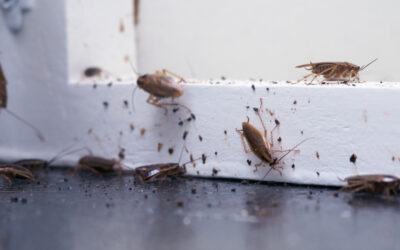
A bed bug infestation announces itself through a pattern of physical signs that most people overlook until the problem has already grown: unexplained bites that appear overnight, tiny rust-colored stains on your sheets, and a faint sweet or musty smell in your bedroom. Only 29% of Americans can correctly identify a bed bug when they see one, according to a 2025 Harris Poll and National Pest Management Association survey, which means the majority of infestations go unrecognized in their earliest and most treatable stages.
We created this guide to walk you through exactly what to look for, where to look, and how to tell the difference between bed bugs and other common pests. Whether you live in Reno, Sparks, Truckee, or anywhere else in Northern Nevada, catching these signs early is the single most important step you can take to keep a small problem from becoming a major one.
Summary
- Bed bug bites typically appear as small, red, itchy welts in clusters or lines on skin that was exposed while sleeping, and they are the most commonly reported sign of an infestation at 92% of cases.
- Physical evidence on your mattress — including dark fecal spots, shed skins, and tiny blood stains — is more reliable than bites alone, since some people show no skin reaction at all.
- A single female bed bug can lay up to 500 eggs in her lifetime, meaning even a handful of undetected bugs can explode into a full-blown infestation within weeks.
- Bed bugs hide in mattress seams, box springs, headboards, baseboards, electrical outlets, and furniture joints, making thorough inspection essential for early detection.
Bites That Appear While You Sleep
For most people, bites are the first signal that something is wrong. You wake up with red, itchy welts that weren’t there when you went to bed, and the pattern repeats night after night. Understanding what bed bug bites look like and how they differ from other insect bites will help you figure out what you’re dealing with faster.
What Bed Bug Bites Look Like
Bed bug bites usually appear as small, raised, red bumps that are intensely itchy. They tend to show up in clusters or in a line, often described as a zigzag pattern, on areas of skin that were exposed during sleep — arms, shoulders, neck, face, and legs are the most common locations. Unlike mosquito bites, which are typically random and isolated, bed bug bites tend to follow a path because the bug feeds multiple times as it moves along your skin.
Here’s something important to know: not everyone reacts to bed bug bites the same way. Some people develop visible welts within hours, while others may not show any reaction for two to three days. Roughly 30% of people bitten by bed bugs show no visible skin reaction at all, which is one reason infestations can grow undetected for weeks. If your partner is waking up with bites but you’re not, that doesn’t mean you’re in the clear — it may just mean your skin doesn’t react as visibly.
Key Takeaways
- Bed bug bites appear as red, itchy welts in clusters or lines on skin that was exposed while sleeping, and they’re the most commonly reported sign of an infestation.
- Not everyone reacts to bites the same way, and some people show no visible marks at all, which can delay detection.
- A pattern of new bites appearing every morning is a strong indicator of active bed bug feeding, even if you haven’t spotted a bug yet.
Physical Evidence on Your Bedding and Mattress
Bites alone aren’t enough to confirm bed bugs, because several other insects can leave similar marks. The real confirmation comes from inspecting your mattress, sheets, and bedding for the physical evidence bed bugs leave behind. We always tell people that what you find on your mattress matters more than what you find on your skin.
What to Look For
When you pull back your sheets and examine your mattress closely, there are four specific signs that point directly to bed bugs:
- Dark fecal spots — these look like tiny ink dots, usually black or dark brown, and are found along mattress seams, on sheets, and on pillowcases. They’re actually digested blood and will smear slightly if you dab them with a wet cloth.
- Blood stains — small rust-colored or reddish smears on your sheets, often caused when a recently fed bed bug is crushed while you shift in your sleep.
- Shed exoskeletons — bed bugs molt five times before reaching adulthood. The translucent, light-brown shells they leave behind accumulate near hiding spots and are a clear sign of an active, growing population.
- Eggs and eggshells — bed bug eggs are tiny (about 1mm), white, and oval-shaped. They’re often tucked into mattress seams, crevices in the bed frame, or along the edges of baseboards. Finding eggs means the infestation is actively reproducing.
A single female bed bug can produce up to 500 eggs over her lifetime, and those eggs hatch in roughly 6 to 10 days under typical room temperatures. This rapid reproduction rate is why even a small number of bed bugs can become a serious infestation in just a few weeks. The developmental time from egg to adult is approximately 37 days under optimal conditions, according to research from Ohio State University.
Key Takeaways
- Dark fecal spots, blood stains, shed skins, and eggs on your mattress and bedding are more reliable indicators of bed bugs than bites alone.
- Finding shed exoskeletons or eggs confirms an actively reproducing population, not just a stray bug.
- Check mattress seams, the piping along edges, and the underside of the mattress where these signs tend to concentrate.
Where Bed Bugs Hide Beyond Your Bed
One of the most common mistakes people make is assuming bed bugs only live in the mattress. While your bed is their primary territory because it gives them easy access to a sleeping host, bed bugs are expert hiders and will spread to dozens of locations throughout a room as the infestation grows.
Common Hiding Spots
Bed bugs are flat-bodied insects about the size of an apple seed, and that shape allows them to squeeze into incredibly tight spaces. Here are the places we recommend checking during a thorough inspection:
- Box springs — the fabric on the underside of a box spring is one of the most common hiding spots, because it’s dark, undisturbed, and close to the mattress.
- Headboards and bed frames — joints, screw holes, and cracks in wooden bed frames provide perfect shelter.
- Baseboards and wall trim — as populations grow, bed bugs move away from the bed and into cracks along baseboards, behind wall plates, and even inside electrical outlets.
- Furniture near the bed — nightstands, dressers, upholstered chairs, and the seams of couches are all common secondary locations.
- Unexpected places — in more advanced infestations, bed bugs have been found behind picture frames, inside alarm clocks, in the folds of curtains, and even inside stuffed animals.
More than 82% of pest control professionals reported treating bed bugs in the past year, according to a survey from the University of Florida and the National Pest Management Association, confirming that bed bugs remain one of the most widespread and persistent pest problems in the country. They’re present in all 50 states, and bed bug incidents are three times higher in urban areas than rural ones.
Key Takeaways
- Bed bugs spread well beyond the mattress as populations grow, hiding in box springs, headboards, baseboards, electrical outlets, and furniture.
- Their flat body shape lets them squeeze into cracks as thin as a credit card, making visual detection difficult without a flashlight and careful inspection.
- An infestation that has spread to multiple hiding spots throughout the room typically indicates a larger, more established population.
The Smell Test and Other Subtle Clues
Beyond bites and visible evidence, there are a few more subtle signs that can tip you off to a bed bug problem before you even pull back the sheets.
A Sweet, Musty Odor
Bed bugs release pheromones, and in larger infestations, these create a noticeable sweet, musty smell that some people compare to overripe berries or coriander. If your bedroom has developed an unusual, slightly sickly-sweet odor that you can’t trace to any obvious source, bed bugs should be on your list of possibilities. This smell becomes more pronounced as the population grows and is often one of the signs professionals use during inspections.
Behavioral Clues
Bed bugs are nocturnal feeders, most active between midnight and 5 a.m. They’re drawn to the carbon dioxide you exhale and your body heat while you sleep. If you’re consistently waking up with new bites but never seeing any insects during the day, that behavior pattern is consistent with bed bug feeding habits. It’s also worth noting that bed bugs can survive up to 70 days without a blood meal, which means an empty room or a vacation won’t necessarily starve them out.
Key Takeaways
- A persistent sweet, musty odor in the bedroom with no obvious source can indicate a sizable bed bug population.
- Bed bugs feed between midnight and 5 a.m. and are attracted by your body heat and breathing, which is why bites consistently appear after sleeping.
- These insects can survive months without feeding, so leaving a room vacant won’t eliminate the problem on its own.
Why Bed Bugs Are Not a DIY Problem
We understand the instinct to grab a can of bug spray and try to handle the situation yourself. But here’s the reality: many bed bug populations have developed resistance to common over-the-counter insecticides, which is one of the key factors behind the resurgence of infestations across the United States. Spraying can actually make things worse by scattering bed bugs into walls, adjacent rooms, and harder-to-reach areas.
The cost of bed bug control in the U.S. is estimated at $5 billion annually, and the average professional treatment for a single-family home runs around $1,750. That might sound like a lot, but it pales compared to the cost of a worsening infestation that damages furniture, bedding, and your quality of life over weeks or months of failed DIY attempts.
The only reliable way to eliminate bed bugs is through professional treatment that reaches every life stage, including eggs. Heat treatments, which raise the temperature of affected areas high enough to kill bed bugs and their eggs in a single visit, have become one of the most effective methods available. Traditional treatments using targeted products with residual activity are another option for situations where heat isn’t practical.
If you’re seeing any of the signs we’ve described — bites, fecal spots, blood stains, shed skins, or that telltale musty odor — don’t wait for the problem to get worse. Early professional intervention is the fastest, most reliable path to getting your home back to normal. Our team at Right Away Pest Solutions is trained in both heat treatments and traditional bed bug services, and we’ve spent years perfecting our approach across Reno, Sparks, Truckee, Carson City, and the surrounding communities. We offer free inspections and same-day service when you call before 2 p.m.
Call us at (775) 722-7708 to schedule your free bed bug inspection and get the problem resolved before it spreads.