Most homes should be treated for pests on a quarterly basis — once every three months — which provides consistent year-round protection that aligns with seasonal pest cycles.
Quarterly pest control is the most widely recommended schedule across the industry because it keeps treatments active before each new wave of seasonal pests arrives, and it’s the frequency that works best for the majority of homeowners in Reno, Sparks, Truckee, Carson City, and the surrounding Northern Nevada area.
That said, the right schedule for your home depends on several factors, including the types of pests you’re dealing with, the severity of the problem, and the specific conditions around your property. We created this guide to help you figure out how often your home actually needs professional treatment, what drives that decision, and how to avoid both under-treating and over-treating.
Summary
- Quarterly pest control (every three months) is the most effective and cost-efficient schedule for most Northern Nevada homes, providing consistent coverage across all four seasonal pest cycles.
- Homes with active or severe infestations — particularly cockroaches, ants, or rodents — may need monthly treatments for three to six months before transitioning to a quarterly plan.
- Professional pest control products are formulated to remain effective for approximately 60 to 90 days, which is why quarterly visits maintain a continuous protective barrier without gaps.
- Northern Nevada’s high desert climate creates a distinct seasonal pattern: ants and wasps in spring and summer, spiders in late summer and fall, and rodents from October through March — and quarterly service addresses each phase proactively.
Why Quarterly Service Works Best for Most Homes
The reason quarterly pest control is the industry standard isn’t a marketing gimmick — it’s based on how pest control products work, how pests behave seasonally, and what provides the best balance of protection and value for the average homeowner.
The Science Behind the Schedule
Most professional-grade pest control products maintain their effectiveness for 60 to 90 days after application. After that window, the active ingredients break down due to weather exposure, UV light, foot traffic, and general wear. A quarterly schedule ensures your home is retreated just as the previous application begins to lose its potency, creating a continuous barrier with no gaps in coverage.
Each quarterly visit also gives your technician the opportunity to inspect for new activity, adjust the treatment plan based on what pests are emerging that season, and address any new entry points or conditions that may have developed since the last visit. This proactive approach catches problems before they escalate.
From a cost perspective, quarterly plans typically run between $400 and $800 per year for a standard-sized home in Northern Nevada, which works out to roughly $100 to $200 per visit. Compare that to repeated one-time emergency calls at $200 to $300 each — homeowners on a quarterly plan almost always spend less annually than those who wait until a problem forces them to react.
Key Takeaways
- Quarterly treatment aligns with the 60-to-90-day effectiveness window of professional pest control products, ensuring no gaps in protection.
- Each visit doubles as an inspection, allowing your technician to adjust for seasonal pest changes and catch new issues early.
- Quarterly plans are more cost-effective than reactive one-time treatments, typically saving homeowners hundreds of dollars per year.
When You Might Need Monthly Treatments
While quarterly service covers most situations, some pest problems require more aggressive attention — at least initially. Monthly visits aren’t necessary for every home, but they can make a significant difference when you’re dealing with a serious or fast-reproducing infestation.
Situations That Call for Monthly Service
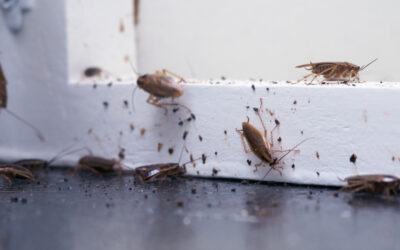
Active cockroach infestations are one of the most common reasons for monthly treatment. German cockroaches can produce three to six generations per year, and a single female and her offspring can theoretically produce over 30,000 new roaches annually under ideal conditions. Monthly treatments interrupt that reproductive cycle more effectively than quarterly visits can. Once the population is under control — typically after three to six months — most homes can safely transition to a quarterly schedule.
Persistent ant problems are another scenario where monthly visits help, especially in the Reno area where our dry climate drives ants indoors aggressively in search of water. If ants are showing up between quarterly treatments, a few months of monthly service can break the cycle by hitting the colony harder and faster.
Rodent exclusion may also require closer follow-up. After an initial exclusion service that seals entry points and sets traps, monthly monitoring visits for two to three months help confirm that all access points have been addressed and no new activity is occurring.
The key is that monthly treatment should be temporary and targeted. A good pest control provider will start you on a more frequent schedule when needed and then step you down to quarterly once the problem is resolved — not keep you on monthly indefinitely.
Key Takeaways
- Monthly treatments are appropriate for active infestations of fast-reproducing pests like cockroaches and persistent ants, typically for three to six months.
- Rodent exclusion follow-ups benefit from monthly monitoring to confirm that all entry points have been sealed.
- Monthly service should be a temporary phase that transitions to quarterly once the infestation is under control.
How Northern Nevada’s Climate Affects Your Treatment Schedule
Where you live plays a major role in how often your home needs pest control, and Northern Nevada’s high desert environment creates a seasonal pest calendar that’s distinct from what homeowners face in other parts of the country.
The Northern Nevada Seasonal Pest Cycle
Spring (March through May) is when pest activity ramps up across the Reno area. Ant colonies emerge from winter dormancy and begin sending foragers out in force. Wasp queens start building nests around eaves, attics, and play structures. A quarterly treatment applied in early spring creates a barrier right when these pests are becoming most active.
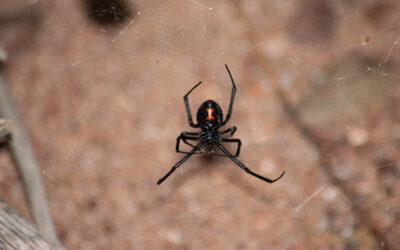
Summer (June through August) brings peak pest pressure. Ants are at their most aggressive because outdoor water sources dry up in our arid climate, driving them indoors. Spiders become more visible as insect populations grow. Cockroach activity increases in areas with moisture. Your summer quarterly visit targets these pests at their seasonal high point.
Fall (September through November) is when spider populations peak after a summer of feeding, and more importantly, it’s when rodents begin pushing indoors as temperatures drop. A fall treatment focused on exterior barriers and rodent prevention is arguably the most important quarterly visit of the year in Northern Nevada, because it addresses the transition from insect season to rodent season.
Winter (December through February) brings the highest rodent pressure. Mice, rats, and even pack rats seek warmth inside walls, attics, and garages. While most insect activity slows considerably, anything already established indoors — like cockroaches or bed bugs — continues to thrive regardless of the weather outside. Your winter quarterly visit focuses on rodent monitoring, indoor inspections, and maintaining indoor treatment barriers.
This is one of the reasons local expertise matters. A pest control provider who understands Northern Nevada’s specific seasonal patterns will tailor each quarterly visit to what’s actually happening that time of year, rather than applying the same generic treatment every visit.
Key Takeaways
- Northern Nevada’s four-season pest cycle — ants and wasps in spring/summer, spiders in fall, rodents in winter — aligns perfectly with a quarterly treatment schedule.
- The fall visit is particularly critical in our region because it targets the seasonal shift from insect pressure to rodent invasion.
- Local providers who understand the Reno area’s specific climate and pest behavior deliver more effective seasonal adjustments.
Factors That Influence Your Ideal Schedule
Beyond general recommendations, several property-specific factors can push your treatment needs up or down. Understanding these helps you have a more productive conversation with your pest control provider about what your home actually requires.
Property and Lifestyle Variables
Home size and age make a difference. Older homes in established Reno neighborhoods often have more cracks, gaps, and settling in the foundation that create entry points for pests. Larger properties with more exterior perimeter area require more product and more inspection time.
Proximity to open land matters in Northern Nevada. Homes near the foothills, bordering open desert, or adjacent to undeveloped lots experience higher pest pressure from rodents, ants, and spiders migrating in from surrounding habitats. Properties in areas like South Reno, Somersett, or the outskirts of Sparks may benefit from slightly more frequent service than a condo in downtown Reno.
Moisture conditions around your property are a major factor. Leaky outdoor faucets, poor drainage, overwatered landscaping, and irrigation systems that pool near the foundation all create conditions that attract pests. Fixing moisture issues can sometimes reduce the frequency of treatment you need.
Pets and outdoor activity can increase pest exposure. Dogs and cats can bring fleas and ticks inside, and pet doors create easy entry points for rodents and insects. Homes with multiple pets or significant outdoor activity may need closer attention.
Previous pest history also plays a role. If your home has had recurring infestations of a specific pest, maintaining a regular quarterly schedule prevents that history from repeating. A home that had a rodent problem last winter is at higher risk of having one again this winter if preventive treatment isn’t maintained.
Key Takeaways
- Older homes, properties near open land, and houses with moisture issues generally require more consistent treatment schedules.
- Pets, outdoor activity, and previous pest history all factor into how frequently your home should be treated.
- Discuss these specific variables with your technician so your plan reflects your home’s actual risk profile, not just a default recommendation.
Finding the Right Schedule for Your Home
There’s no single answer to how often every home should be treated, but for the vast majority of homeowners in Northern Nevada, quarterly service provides the best combination of consistent protection and long-term value. The goal of any pest control schedule isn’t to eliminate every insect on your property — it’s to keep pest populations below the threshold where they become a problem, damage your home, or threaten your family’s health.
If you’re currently not on any kind of treatment plan and you’ve noticed seasonal pest issues, quarterly service is the best place to start. If you’re dealing with an active infestation, a few months of monthly treatment followed by a step-down to quarterly is the most effective approach. And if your home has been consistently pest-free for years with minimal risk factors, an annual inspection may be all you need to stay ahead.
At Right Away Pest Solutions, we help homeowners across Reno, Sparks, Truckee, Carson City, and the surrounding Northern Nevada communities find the right schedule for their specific situation. We don’t push unnecessary services or lock you into rigid contracts. We offer free inspections and will recommend a treatment frequency based on what your home actually needs — no more, no less.
Call us at (775) 722-7708 to schedule your free inspection and find out what plan makes sense for your home. You can also explore our full range of pest control services to see how we keep Northern Nevada homes protected year-round.